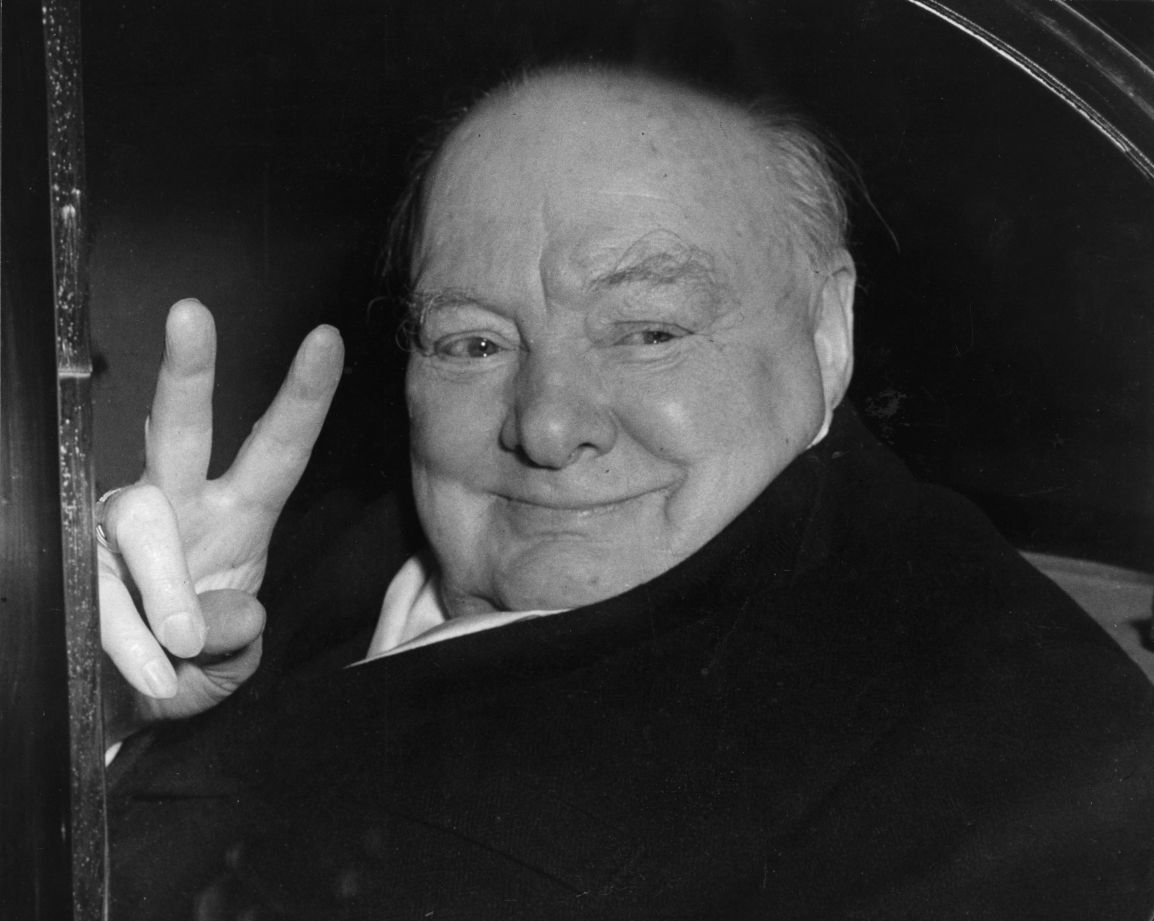
I have always found motivation through reading quotes from some of history’s most inspiring people: Albert Einstein (Physicist), Mahatma Ghandi (Philospher), Michael Scott (Regional Manager Dunder Mufflin) and so on. These phrases might be short in word count, but they are titans in wisdom. It’s amazing how much insight can be conveyed through one or two sentences. What’s also amazing is how these old ideals still hold true in today’s world. The problem is, many of us forget to glance into our rear-view mirror. We can get obsessed with what’s directly in front of us. If we are searching for answers to today’s issues, peering into the past is our golden ticket.
“The farther backward you can look, the farther forward you are likely to see” – Winston Churchill
Content marketing has had a huge impact since the internet was born. The masses are flocking to compelling stories. Journalists and writers are the new weapons of agencies. But there is one literary genius who died over 50 years ago that we can still learn a thing or two from. He had an undeniable talent for words and a knack for capturing your attention. If marketers are to look to history for advice, Winston Churchill is the ideal figure to observe. He received the Nobel Prize for Literature in 1953, and in his quotes you can see his indisputable gift for turning words into thought provoking messages.
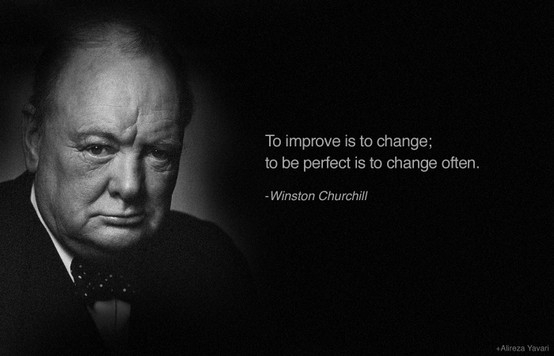
Winston’s advice for Social Media and Content Marketing
Social media is one of the least-understood places for showcasing brands. A whole new realm of marketing has risen, and it continues to grow. Social media is also the greatest opportunity to engage customers and share content. Yet many issues on making it work still exist.
“We are masters of the unsaid words, but slaves of those we let slip out” – Winston Churchill
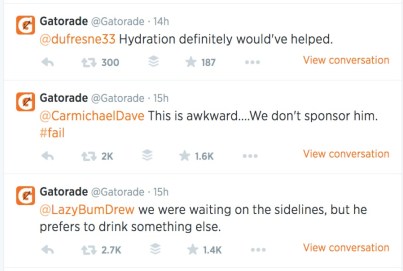
With this new concept of real time marketing, brands’ social media managers have to be careful about the things they post. An example is Gatorade teasing Lebron James for cramping because he’s not drinking their product. Come to find out, he was. Lay off the hater-ade with these channels, and stick to positive messages.

“I’m just preparing my impromptu remarks” – Winston Churchill
With big market events such as the Grammys or the Superbowl, go in prepared. Make a list of all possible situations and have a general plan or guideline on what to say and when.
“Courage is what it takes to stand up and speak; courage is also what it takes to sit down and listen” – Winston Churchill
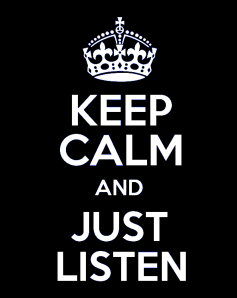
Speak with your customers, not at them. If you are simply posting and posting, you end up becoming “that guy” who only talks about himself. Eventually, people will lose interest and stop paying attention. Listening to your customers gives them a boost of that famous “Oxytocin” marketers are raving about. If you make an effort to engage, not only will you gain trust from your followers, you’ll learn about how to improve whatever it is you’re selling.
“The length of this document defends it well against the risk of its being read” – Winston Churchill
Short and sweet. Most people will check the length of any type of post before they commit to it. Time is precious, and readers are impatient. It’s more likely that your reader will remember a paragraph rather than a page of content. This is another reason why these quotes have always intrigued me. They send a message, and they do it quickly.
“Old expressions are the best, and short ones even better” – Winston Churchill
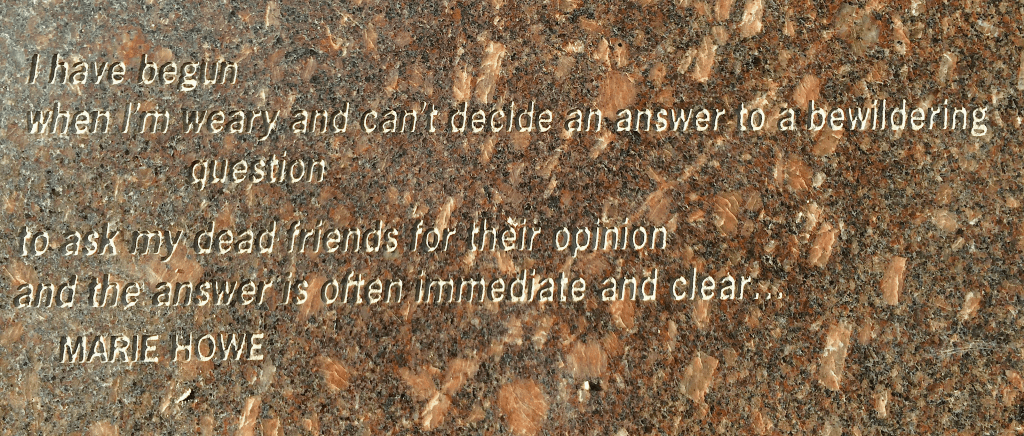
The next time you are looking for answers in a world of infinite questions, seek advice that’s already been given. It will be surprising how helpful it can be, and you will find it in the most unexpected places. I discovered this quote while wandering Seattle, inscribed into a marble rock… “I have begun, when I’m weary and can’t decide an answer to a bewildering question, to ask my dead friends for their opinion, and the answer is often immediate and clear” – Marie Howe.
Summary: Don’t be afraid to look behind you in order to find success for what lies ahead. Be careful and mindful of the messages you post on social media; people are always watching and there’s no “undo” button to take it all back. Go into major events prepared and ready for any situation. When it comes to sharing content, try to avoid writing a novel so the reader can remember the message. Lengthy content scare the readers off. Always remember to seek wisdom from the wisest people you know of, whether they are still around or they’ve passed on. You’ll be amazed at what you can learn.




 Tim Mehta